
If AAC is part of your life, whether personally, at home or through your work, you may be familiar with the terms high-tech, low-tech and no-tech. But you may also have noticed some different terminology appearing more recently.
Increasingly in the UK, you’ll see communication described as person-based, paper-based, partner-based and power-based.
So what’s changed?
Traditionally, AAC (Augmentative and Alternative Communication) has often been grouped according to the amount of technology involved. Signing and gesture might be described as no-tech, printed communication books and boards as low-tech (I usually describe this as things that don’t require a power source), and electronic communication devices as high-tech.
The newer terminology moves away from this idea of communication sitting on a scale from “no” or “low” technology through to “high” technology. Rather than simply swapping one set of labels for another, it shifts the emphasis towards how communication happens and what supports it.
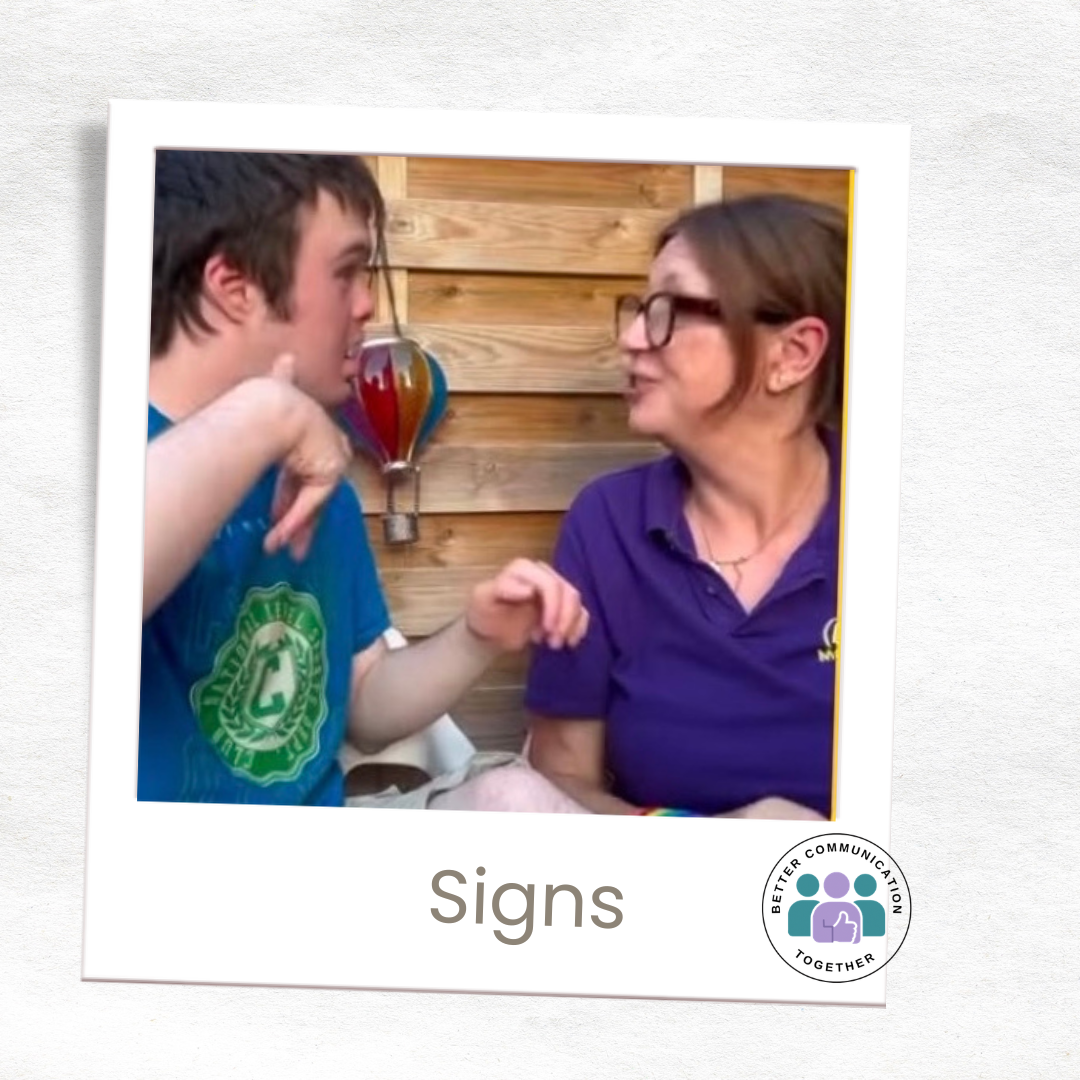
Person-based communication includes communication that comes from the person themselves, such as signing, gesture, facial expression, body language, sounds and eye movements or gaze.
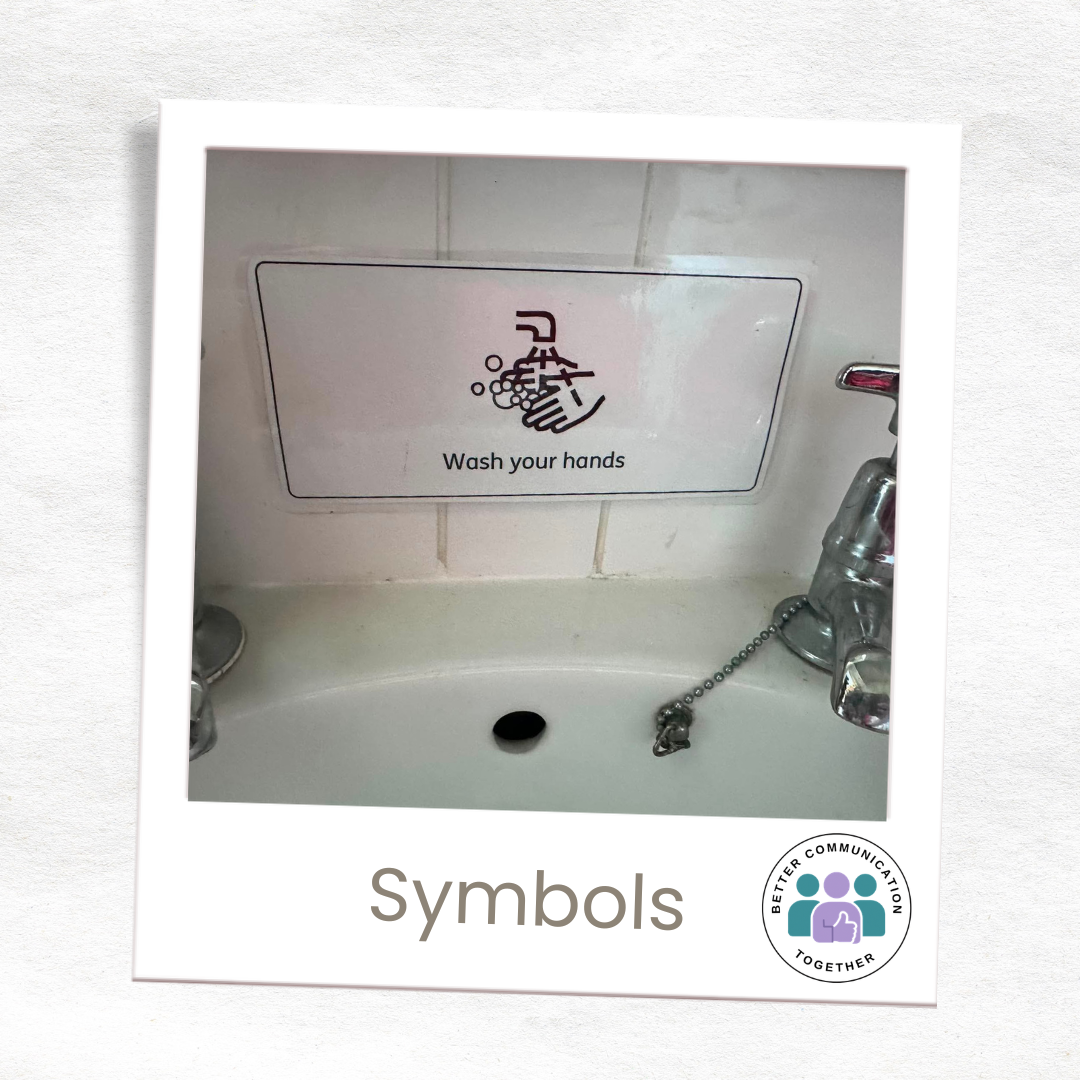
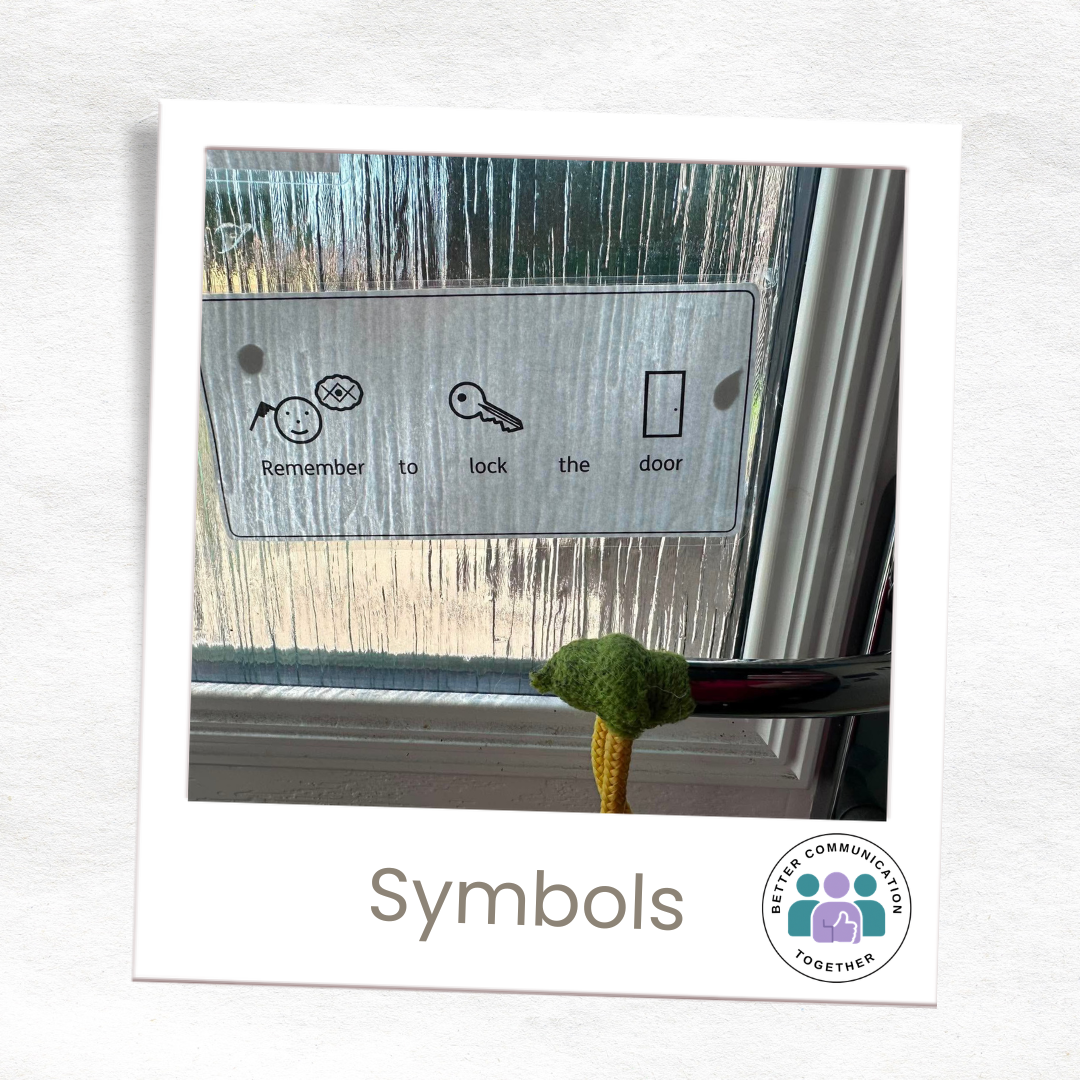
Paper-based communication includes non-powered resources such as communication books, boards, symbols, photographs and written words.
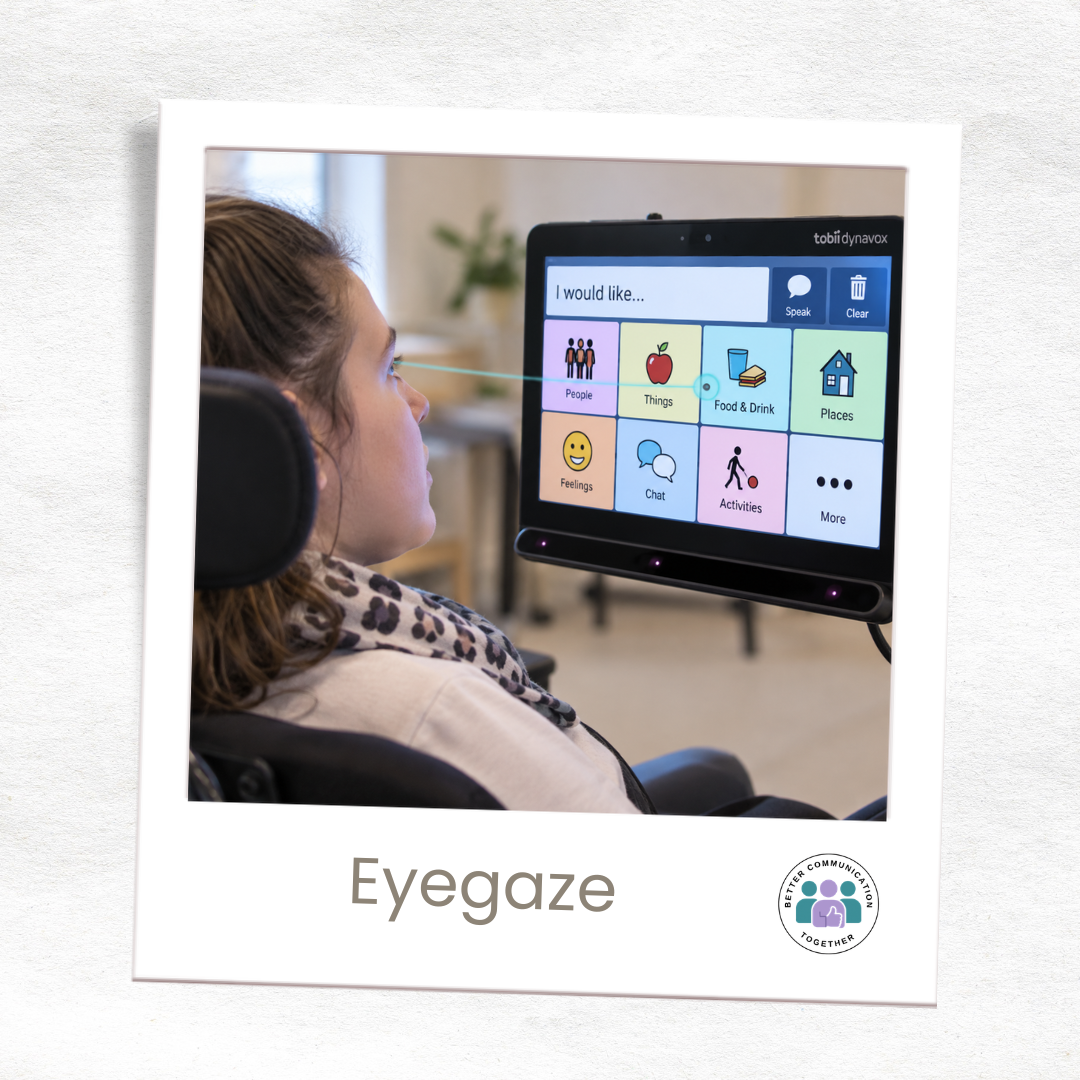
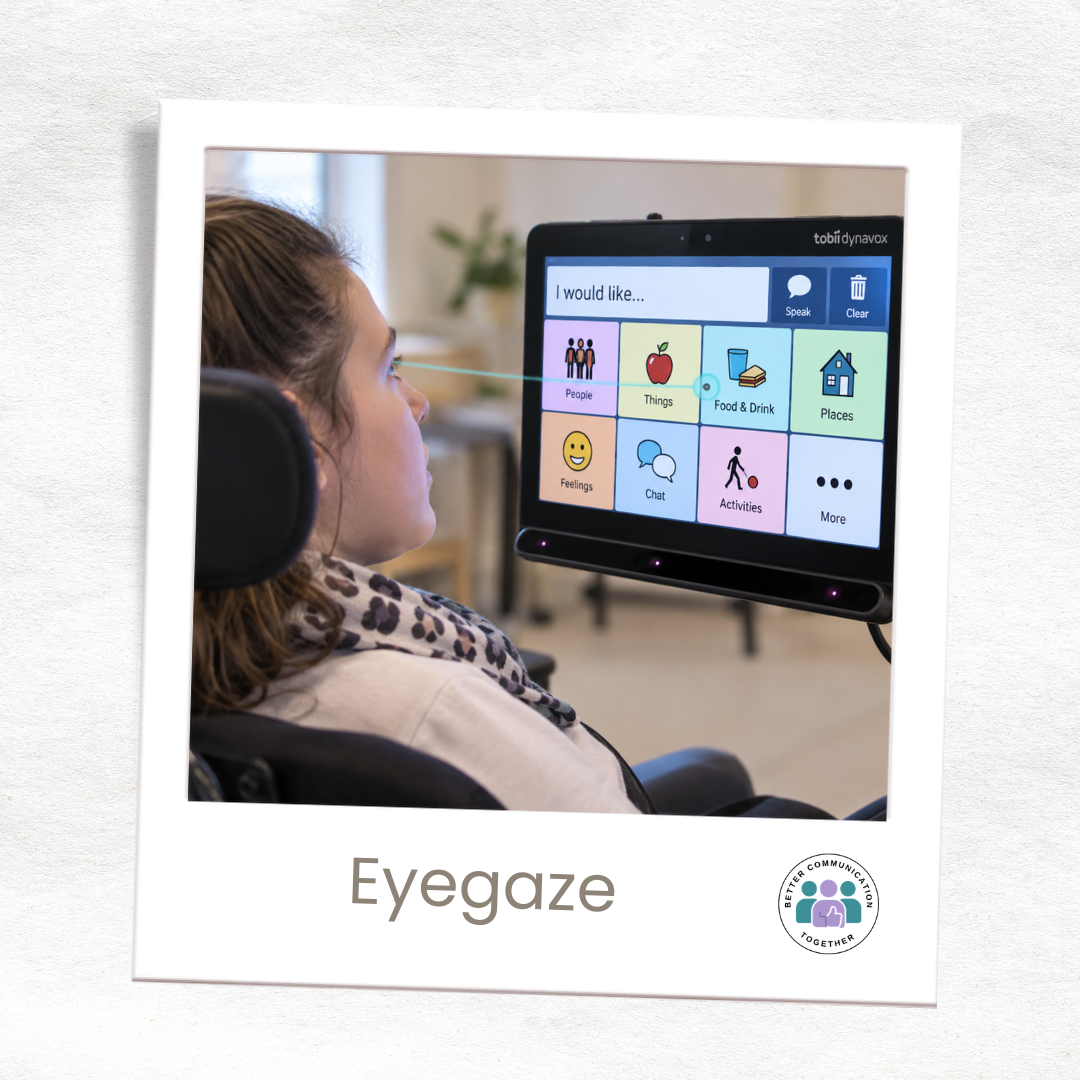
Power-based communication includes electronic communication aids and devices, including speech-generating devices, AAC apps and powered eye-gaze systems.
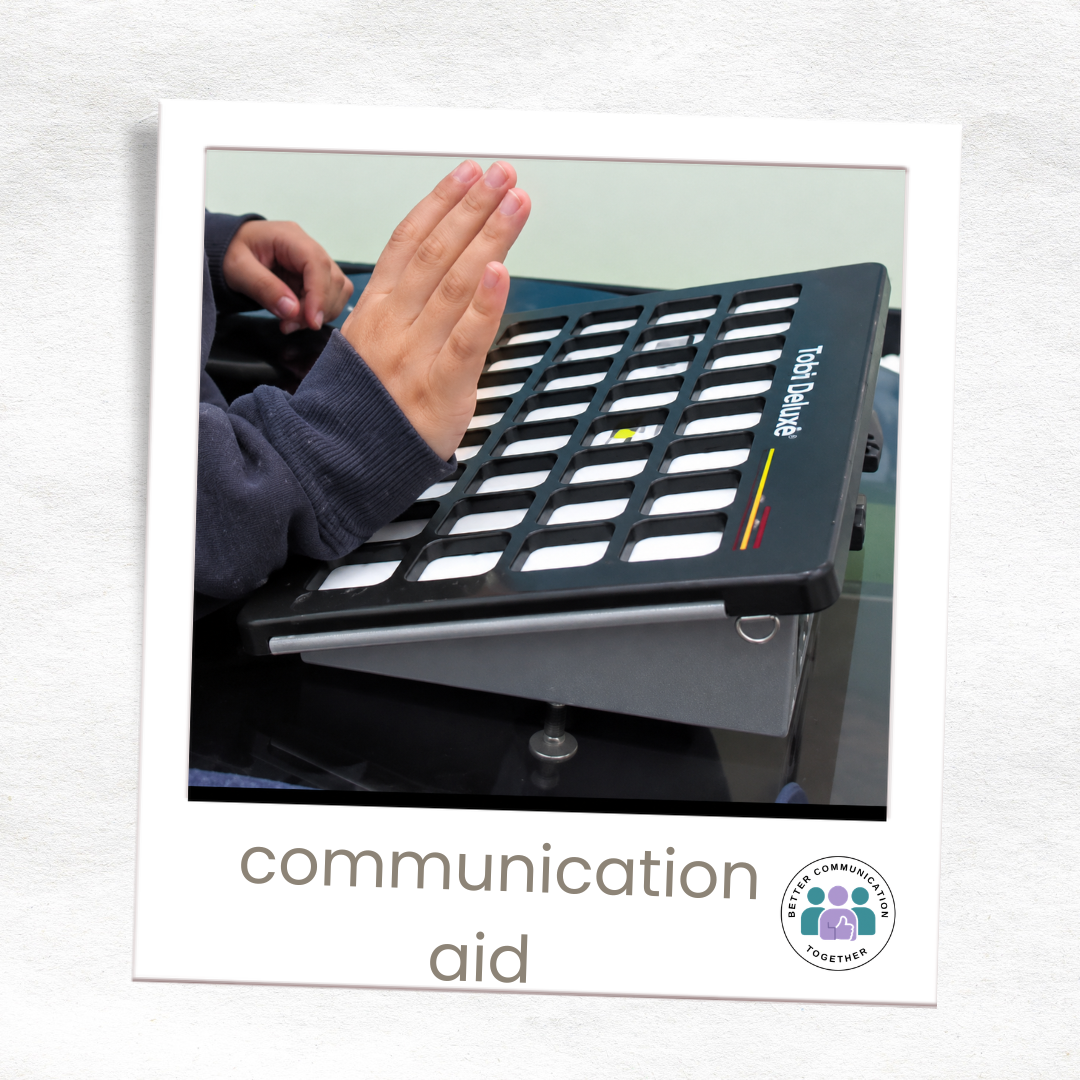
Partner-based communication recognises the important role of another person in communication - noticing, interpreting, responding, giving time and supporting someone to communicate. Intensive Interaction is a good example of an approach in which that responsive interaction between people is particularly important.
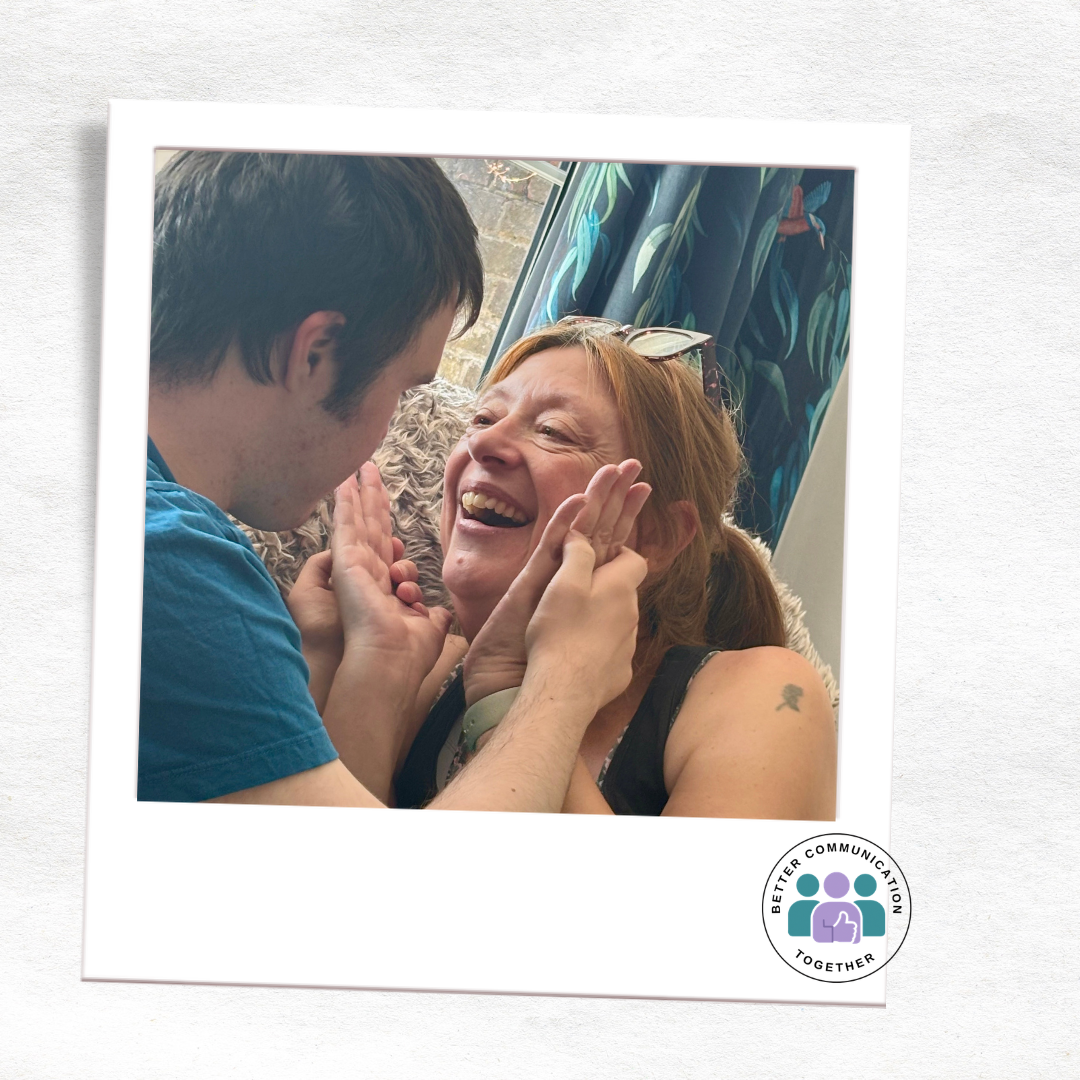
Of course, communication doesn't always fit neatly into one box. Someone might use their eyes to look towards something they want - person-based communication - and also use their eyes to access a powered eye-gaze communication device. Intensive Interaction involves both the communication of the individual and the responses of their communication partner.
And that's part of the point.
One reason for the change in language is that high-tech and low-tech can unintentionally suggest a hierarchy: that one form of communication is somehow more advanced or valuable than another.
Communication doesn't work like that.
A person might sign, point to a symbol, use facial expression, vocalise and use an electronic communication aid - choosing different methods at different times and in different situations.
Changing the terminology helps us move away from asking which method is “higher” or “better” and towards recognising the different ways a person communicates and the tools and people that support them.
And whatever terminology we use, that's perhaps the most important bit: all ways of communicating deserve to be noticed, valued and responded to.
About the author
Nic Pike is Director of Better Communication Together CIC and a Licensed Makaton Tutor and Tutor Training Facilitator. She writes about Makaton, accessible communication and inclusive practice, drawing on over 40 years' professional experience and lived experience as a parent of a Makaton user.
© 2026 Better Communication Together CIC. All rights reserved.
This article is provided for personal learning and information. Please link to this page rather than copying or republishing the content.
Tags: